
Global Expansion Strategies for FinTechs in Emerging Markets: A Playbook for Leaders
2nd August 2025
 What the Future Holds for Digital-Only Banks: Navigating the Next Era of Banking
 The Evolution of Fintech Regulation: What’s Next?
 The Rise of Contactless Payments: Benefits and Security Concerns
 How AI is Transforming the Credit Scoring System
 Biometric Payments: The Next Big Trend in Secure Transactions
 Top Fintech Innovations Shaping 2025: The Future of Finance
 How Open Banking is Shaping Financial Services Globally
 The Role of Cryptocurrencies in Cross-Border Payments
 Flipkart Gets a Lending Licence: A Bold Leap into Embedded Finance
.jpg) The Future of Payments: Trends Reshaping Transactions in 2025
The Future of Payments: Trends Reshaping Transactions in 2025
 The Impact of 5G on Fintech Services
 QR Codes and the Cashless Leap: Transforming India's Financial DNA

18 June 2025
1 min read
340
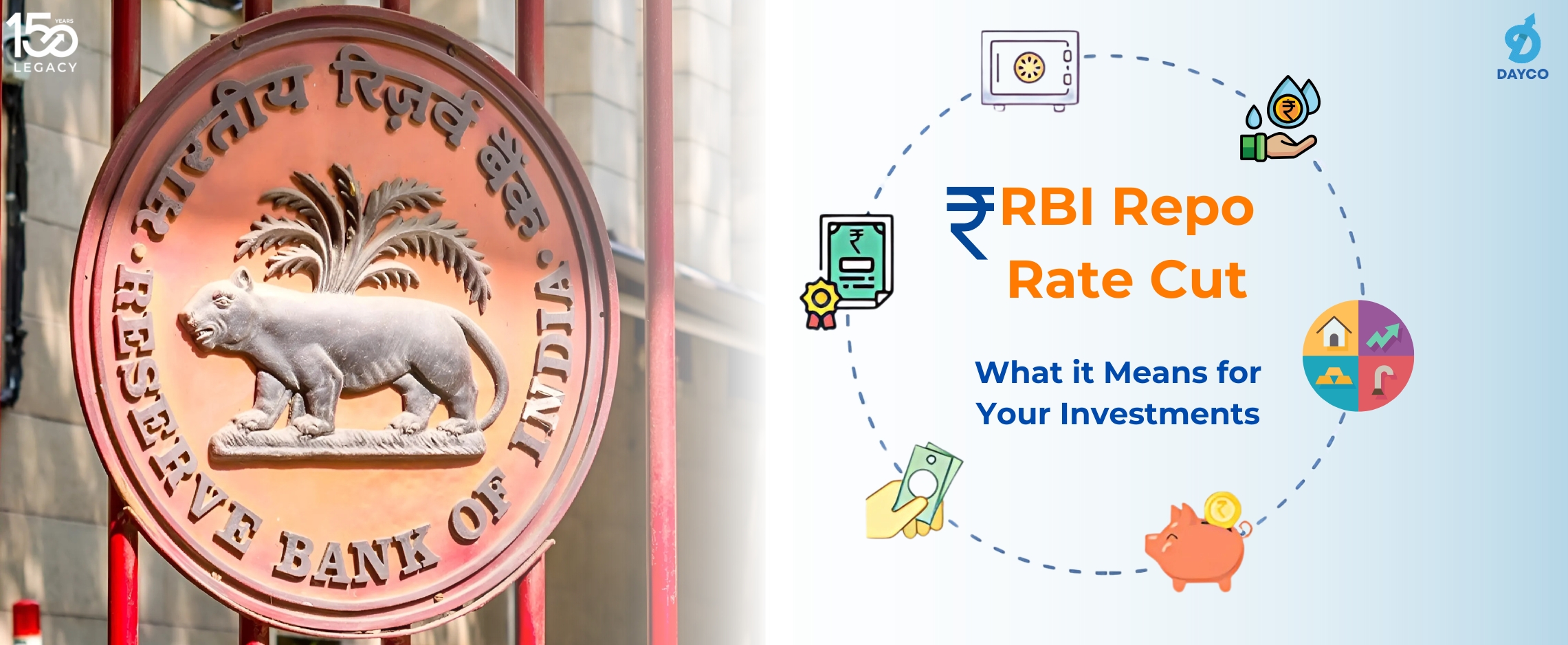
As the Reserve Bank of India (RBI) signals a potential shift in its monetary stance, the prospect of repo rate cuts is sparking renewed interest—and caution—among fixed income investors.
Lower repo rates typically lead to a decline in yields across debt instruments, affecting returns on fixed deposits, bonds, and debt mutual funds. While this may compress income for conservative investors, it also opens up opportunities in duration-based strategies and high-quality long-term debt.
Market experts suggest that investors should realign their fixed income portfolios to balance stability with potential capital appreciation, especially as the interest rate cycle turns.
The evolving rate environment also highlights the need for diversified fixed income allocations, including dynamic bond funds, to navigate volatility while maintaining reasonable returns.
With the RBI walking a fine line between supporting growth and anchoring inflation, fixed income investors must remain agile and informed as rate decisions unfold.
Reference: EconomicTimes
Read Next
 Blog
Blog
 News
News
 News
News
.jpg) News
News
 News
News
 News
News
Live Polls
Live Discussion
Topic Suggestion
Whom Do You Wish To Hear
Sector Updates


Leave your opinion / comment here