
Global Expansion Strategies for FinTechs in Emerging Markets: A Playbook for Leaders
2nd August 2025
 Biometric Payments: The Next Big Trend in Secure Transactions
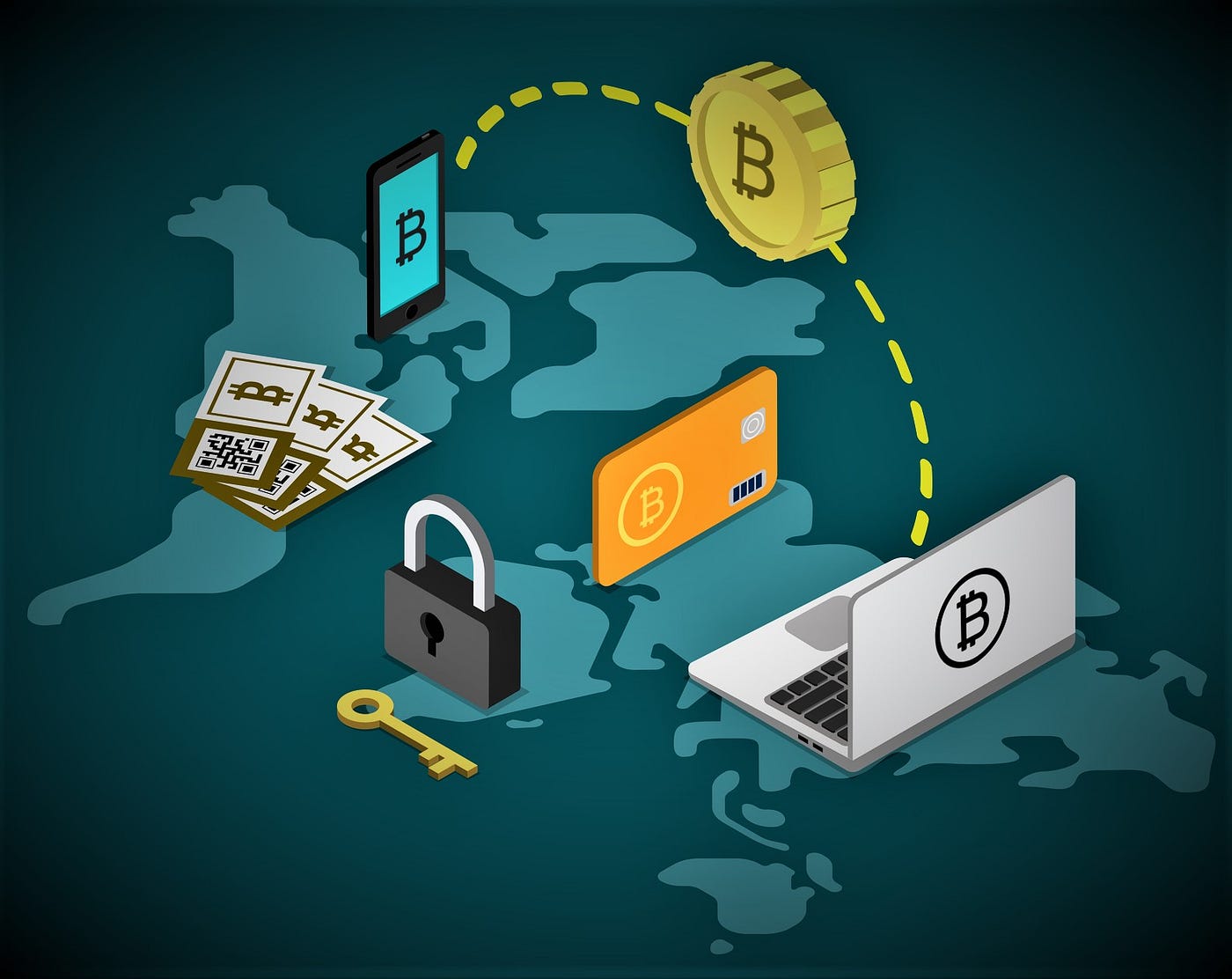 The Role of Cryptocurrencies in Cross-Border Payments
 The Evolution of Fintech Regulation: What’s Next?
 QR Codes and the Cashless Leap: Transforming India's Financial DNA
.jpg) The Future of Payments: Trends Reshaping Transactions in 2025
The Future of Payments: Trends Reshaping Transactions in 2025
 The Rise of Contactless Payments: Benefits and Security Concerns
 What the Future Holds for Digital-Only Banks: Navigating the Next Era of Banking
 How Open Banking is Shaping Financial Services Globally
 Flipkart Gets a Lending Licence: A Bold Leap into Embedded Finance
 Top Fintech Innovations Shaping 2025: The Future of Finance
 The Impact of 5G on Fintech Services
 How AI is Transforming the Credit Scoring System


28 June 2025
1 min read
569
The Reserve Bank of India (RBI) has announced new, stricter guidelines for the Aadhaar-Enabled Payment System (AePS), aimed at curbing the growing number of fraud cases linked to the platform. The regulations will take effect from January 1, 2026.
As per the updated framework, acquiring banks will be required to conduct full KYC (Know Your Customer) verification of Aadhaar Touchpoint Operators (ATOs) — the agents facilitating AePS transactions. The RBI has also mandated that KYC be renewed if an ATO remains inactive for three consecutive months.
In addition, banks must implement continuous transaction monitoring based on an operator’s risk profile. Each ATO will now be permitted to work with only one acquiring bank to improve accountability. The new rules also call for strict controls to ensure APIs and tech infrastructure are used solely for AePS-related services.
The move comes amid rising concerns over identity theft, unauthorized withdrawals, and frauds targeting users in rural areas where AePS is a key tool for accessing banking services.
These guidelines follow a draft proposal released by the RBI in July 2024 and are part of broader efforts to enhance safety and trust in India’s digital payment systems.
Reference: ETBFSI
Read Next
 News
News
 News
Article
News
Article
 Analysis
 Blog
Blog
Live Polls
Live Discussion
Topic Suggestion
Whom Do You Wish To Hear
Sector Updates


Leave your opinion / comment here