
Global Expansion Strategies for FinTechs in Emerging Markets: A Playbook for Leaders
2nd August 2025
 Biometric Payments: The Next Big Trend in Secure Transactions
 How AI is Transforming the Credit Scoring System
 QR Codes and the Cashless Leap: Transforming India's Financial DNA
 Flipkart Gets a Lending Licence: A Bold Leap into Embedded Finance
 The Rise of Contactless Payments: Benefits and Security Concerns
 What the Future Holds for Digital-Only Banks: Navigating the Next Era of Banking
 Top Fintech Innovations Shaping 2025: The Future of Finance
 The Role of Cryptocurrencies in Cross-Border Payments
 The Impact of 5G on Fintech Services
 How Open Banking is Shaping Financial Services Globally
 The Evolution of Fintech Regulation: What’s Next?
.jpg) The Future of Payments: Trends Reshaping Transactions in 2025
The Future of Payments: Trends Reshaping Transactions in 2025

.jpg)
05 April 2025
2 min read
318
As India’s financial ecosystem accelerates toward digital maturity, the convergence of innovation and regulation is shaping the path forward. The presentation by HDB Financial Services offered a compelling look at how regulatory frameworks, technology, and market players must co-evolve to ensure a secure, inclusive, and resilient financial future.
The digital revolution in finance has opened the doors to AI, blockchain, and real-time payments, but it has also intensified the demand for agile governance. Key players—banks, fintechs, regulators, and government bodies—must strike a collaborative balance between speed and safety, agility and accountability
In
India’s Policy Priorities: A Strategic Roadmap
The presentation highlights three core pillars that will define the next phase of India’s financial system:
Digital Financial Inclusion:
Ensuring accessible, secure, and inclusive financial products across rural and urban sectors.
Digital Public Infrastructure (DPI):
Strengthening foundational systems like UPI, BBPS, and interoperable platforms to enhance speed, transparency, and reach.
Consumer Protection & Cybersecurity:
As data flows grow, the Digital Personal Data Protection (DPDP) Act, 2023 becomes critical—addressing fraud, mis-selling, and privacy breaches.
Financial institutions are being nudged toward “compliance-by-default” models, requiring:
Transparent product offerings and fair lending practices
Resilient IT infrastructure with continuous monitoring
AI-led threat detection and cybersecurity awareness campaigns
A strong focus on customer-centric design and technology risk minimization
The next wave of transformation will be driven by:
AI & ML in Fraud Detection and Credit Underwriting
AI is already reshaping decision-making in lending and reporting, but its use demands responsible calibration.
Quantum Computing in Financial Modelling
While still emerging, quantum’s ability to simulate complex financial scenarios will redefine portfolio optimization, trading strategies, and risk assessment.
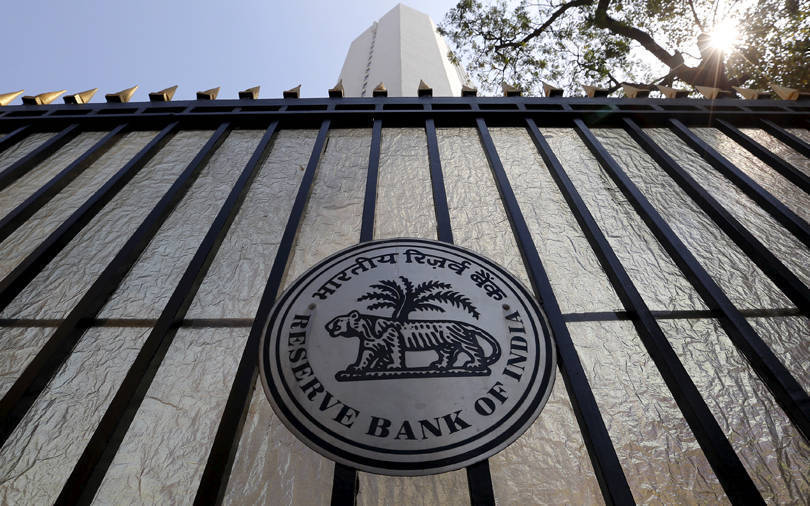
In a first-of-its-kind move, the RBI has announced a framework for Self-Regulatory Organisations (SROs) for FinTech. This signals the beginning of a new era of collaborative regulation, where the industry shares responsibility in setting and following ethical, secure, and innovation-friendly norms.
India’s FinTech trajectory depends on the seamless integration of transformative technologies with a robust governance mindset. Innovation and regulation are not opposing forces—they are dual engines driving toward a common goal: a secure, inclusive, and future-ready financial ecosystem.
Read Next
 News
Article
News
Article
 News
News
 News
News
 Blog
Blog
 News
News
Live Polls
Live Discussion
Topic Suggestion
Whom Do You Wish To Hear
Sector Updates


Leave your opinion / comment here