Global Expansion Strategies for FinTechs in Emerging Markets: A Playbook for Leaders
2nd August 2025
 The Impact of 5G on Fintech Services
 How Open Banking is Shaping Financial Services Globally
 The Rise of Contactless Payments: Benefits and Security Concerns
 What the Future Holds for Digital-Only Banks: Navigating the Next Era of Banking
.jpg) The Future of Payments: Trends Reshaping Transactions in 2025
The Future of Payments: Trends Reshaping Transactions in 2025
 Top Fintech Innovations Shaping 2025: The Future of Finance
 The Evolution of Fintech Regulation: What’s Next?
 Flipkart Gets a Lending Licence: A Bold Leap into Embedded Finance
 Biometric Payments: The Next Big Trend in Secure Transactions
 How AI is Transforming the Credit Scoring System
 The Role of Cryptocurrencies in Cross-Border Payments
 QR Codes and the Cashless Leap: Transforming India's Financial DNA

14 April 2025
3 min read
423
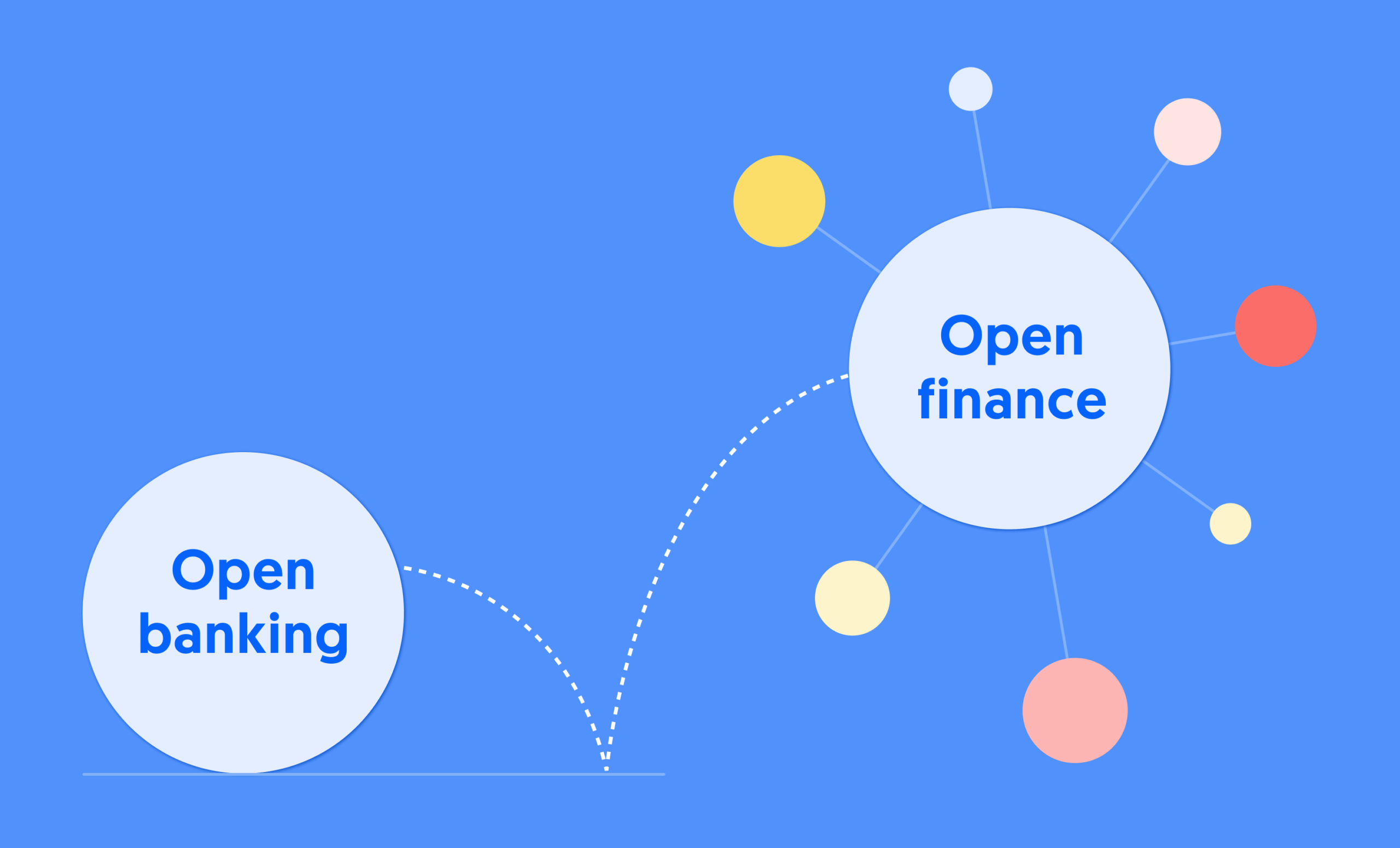
Open Banking refers to a system where banks and financial institutions open their data and services to third-party providers via APIs (Application Programming Interfaces), with the customer’s consent. This allows consumers to share their financial data securely and enables third-party apps and services to create personalized financial products.
Open Finance builds on the principles of Open Banking but expands the range of financial services beyond traditional banking. It includes the sharing of data across a broader spectrum, including investment accounts, pensions, insurance, and credit data. Essentially, Open Finance seeks to give consumers and businesses a more holistic view of their financial situation, while enabling more competition and innovation in the financial services sector.
Interoperability refers to the ability of different systems, platforms, or institutions to seamlessly exchange and use data, even if they are built on different technologies or frameworks. In the context of Open Banking and Open Finance, true interoperability means that data can flow securely and efficiently between various financial institutions, fintechs, and consumers across national and sectoral boundaries.
As the Open Finance landscape expands, it’s essential for systems to be interoperable in order to:
While the benefits of interoperability in Open Banking and Open Finance are clear, several challenges remain that could impede its realization:
The push for interoperability in Open Banking and Open Finance is gaining momentum. However, achieving true interoperability at a global scale is a complex and multifaceted challenge. Several factors will determine whether we are ready for this next phase of financial evolution:
Despite the challenges, the future of Open Banking and Open Finance is bright. As more financial institutions and fintechs embrace interoperable solutions, we will see more innovative financial products, enhanced user experiences, and increased competition in the marketplace. The ultimate goal is to provide seamless, secure, and personalized financial experiences for consumers, giving them full control over their financial data and empowering them to make better financial decisions.
In conclusion, true interoperability is essential for the continued growth and success of Open Banking and Open Finance. As the financial ecosystem becomes increasingly connected, the question is not if we will achieve interoperability, but when. With continued collaboration, investment, and technological advancement, the future of finance will be open, connected, and more inclusive than ever before.
Read Next
 Analysis
Article
Analysis
Article
 Blog
Blog
 News
News
 News
News
 News
News
Live Polls
Live Discussion
Topic Suggestion
Whom Do You Wish To Hear
Sector Updates


Leave your opinion / comment here