
Global Expansion Strategies for FinTechs in Emerging Markets: A Playbook for Leaders
2nd August 2025
 QR Codes and the Cashless Leap: Transforming India's Financial DNA
 How Open Banking is Shaping Financial Services Globally
 Top Fintech Innovations Shaping 2025: The Future of Finance
 What the Future Holds for Digital-Only Banks: Navigating the Next Era of Banking
 The Evolution of Fintech Regulation: What’s Next?
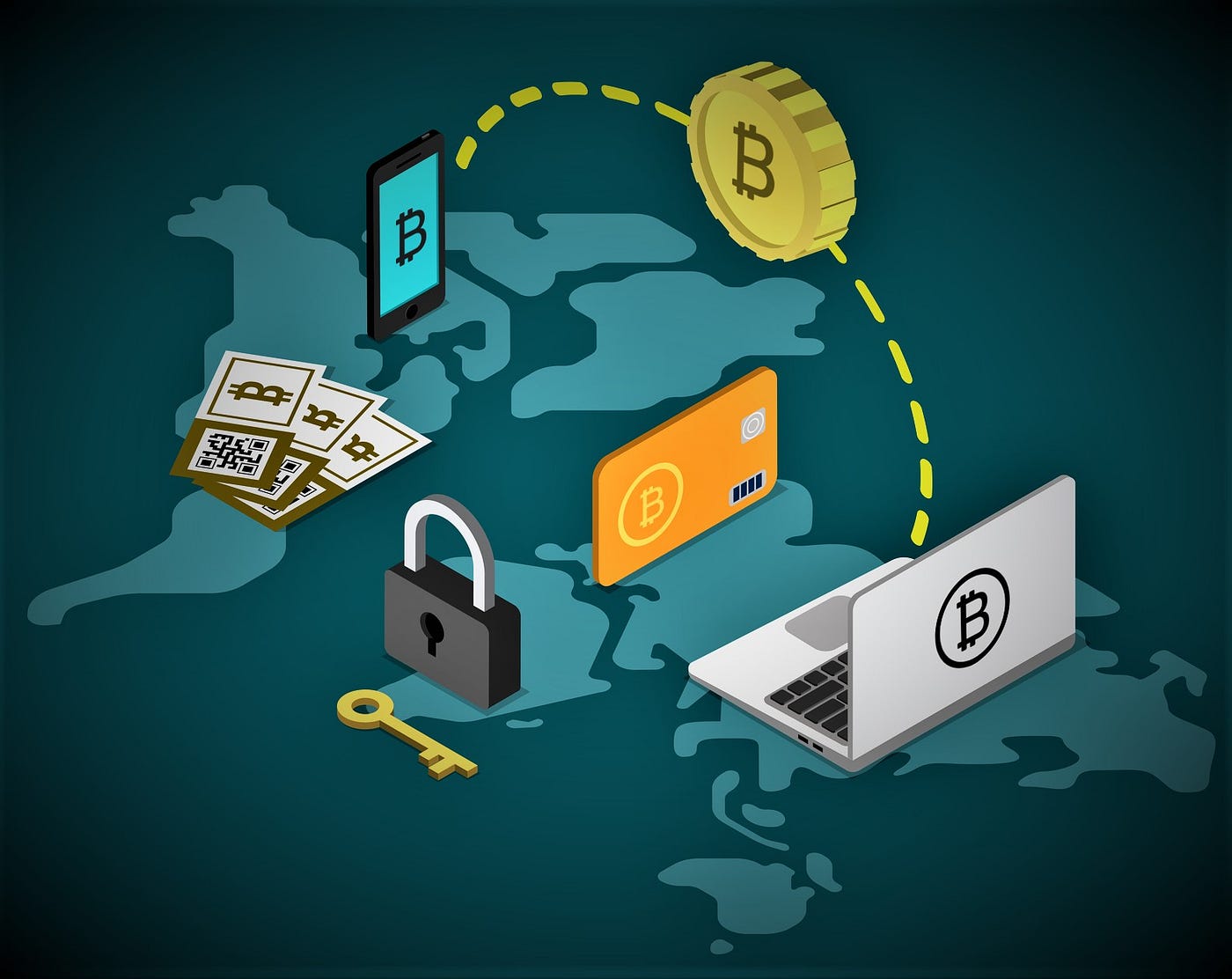 The Role of Cryptocurrencies in Cross-Border Payments
 How AI is Transforming the Credit Scoring System
 Flipkart Gets a Lending Licence: A Bold Leap into Embedded Finance
.jpg) The Future of Payments: Trends Reshaping Transactions in 2025
The Future of Payments: Trends Reshaping Transactions in 2025
 The Rise of Contactless Payments: Benefits and Security Concerns
 Biometric Payments: The Next Big Trend in Secure Transactions
 The Impact of 5G on Fintech Services


17 May 2025
2 min read
204
In an age where digital transactions are the norm and customer trust is a currency, data protection has become a frontline concern for FinTechs. A recent thematic presentation on safeguarding financial data unpacked how security is evolving from a regulatory obligation into a strategic pillar of business resilience and differentiation.
The session began by spotlighting the real-world impact of breaches:
FinTechs are custodians of highly sensitive financial and personal data, making them prime cyber targets.
Brand reputation and customer loyalty can erode overnight in the wake of a breach.
Regulatory scrutiny is intensifying, with mandates like PCI DSS, AML, and KYC being non-negotiable.
The presentation outlined a robust security stack to mitigate threats and build cyber resilience:
Multi-Factor Authentication (MFA): The first line of defense for user accounts.
Penetration Testing & Security Audits: Proactive discovery of vulnerabilities before attackers exploit them.
Tokenization & Data Masking: Protecting data both at rest and in motion, while enabling operations.
Rate Limiting & Data Validation: Guardrails to prevent DDoS and injection attacks.
Secure API Gateways: Ensuring all integrations are authenticated and monitored.
Incident Response Frameworks: Defined protocols to respond swiftly to breaches or data threats.
AI & Blockchain: AI for real-time anomaly detection and fraud analytics; blockchain for tamper-proof transaction integrity.
Security was not presented solely as a technical function—but a moral imperative:
Data Minimization: Only collect what’s essential, reducing exposure.
Transparency: Clear policies build user trust.
Accessibility: Security tools should be inclusive and user-friendly.
Corporate Responsibility: Ethical practices and responsible data governance go hand-in-hand
The overarching insight was clear: security is no longer a static IT requirement—it’s a company-wide culture. FinTechs must:
Be proactive, not reactive.
Align security with product, tech, and business goals.
Train teams and embed awareness into workflows.
In today’s hyperconnected digital economy, safeguarding financial data is about more than compliance—it’s about building resilience, trust, and long-term value. The firms that treat data protection as a strategic asset, not a cost center, will lead the next chapter of sustainable FinTech growth.
Read Next
Article
 Analysis
 Analysis
 Blog
Blog
 News
News
 News
News
Live Polls
Live Discussion
Topic Suggestion
Whom Do You Wish To Hear
Sector Updates


Leave your opinion / comment here